Autograss
Clinker Lane Raceway
Out past the incinerator, off Strelby Avenue
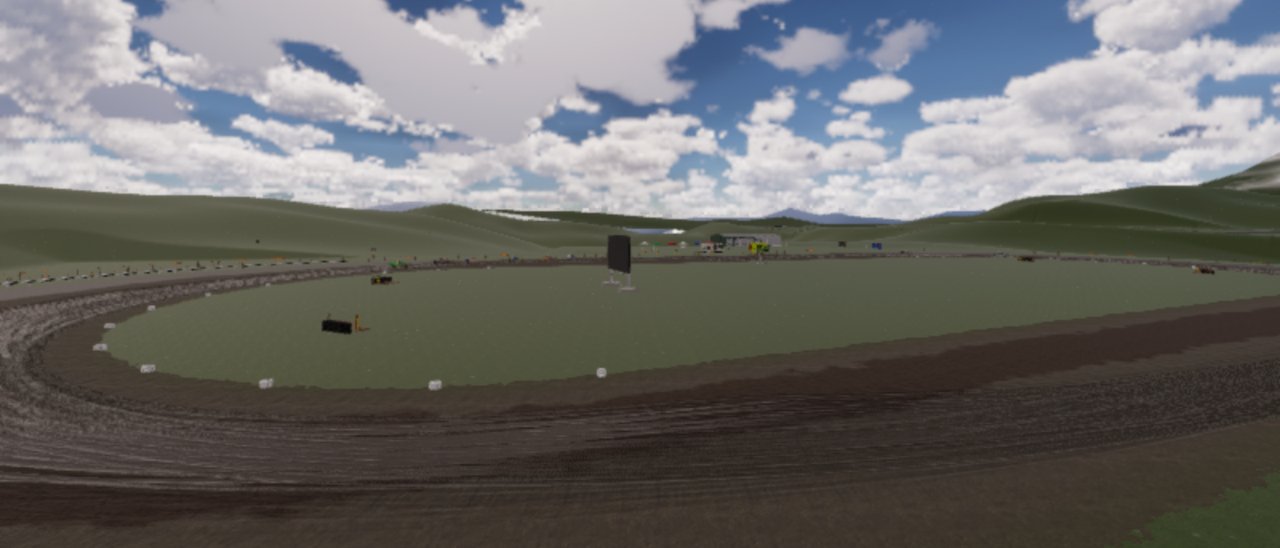
Out past the incinerator, between the end of Clinker Lane and Strelby Avenue, the Radworth & District Autograss Club races round a field. Clinker Lane Raceway is an oval of grass and mud two hundred and forty-one metres by a hundred and six round the outside and about fifteen metres wide, with white tyre stacks marking the inside of both bends and Armco round the east one.
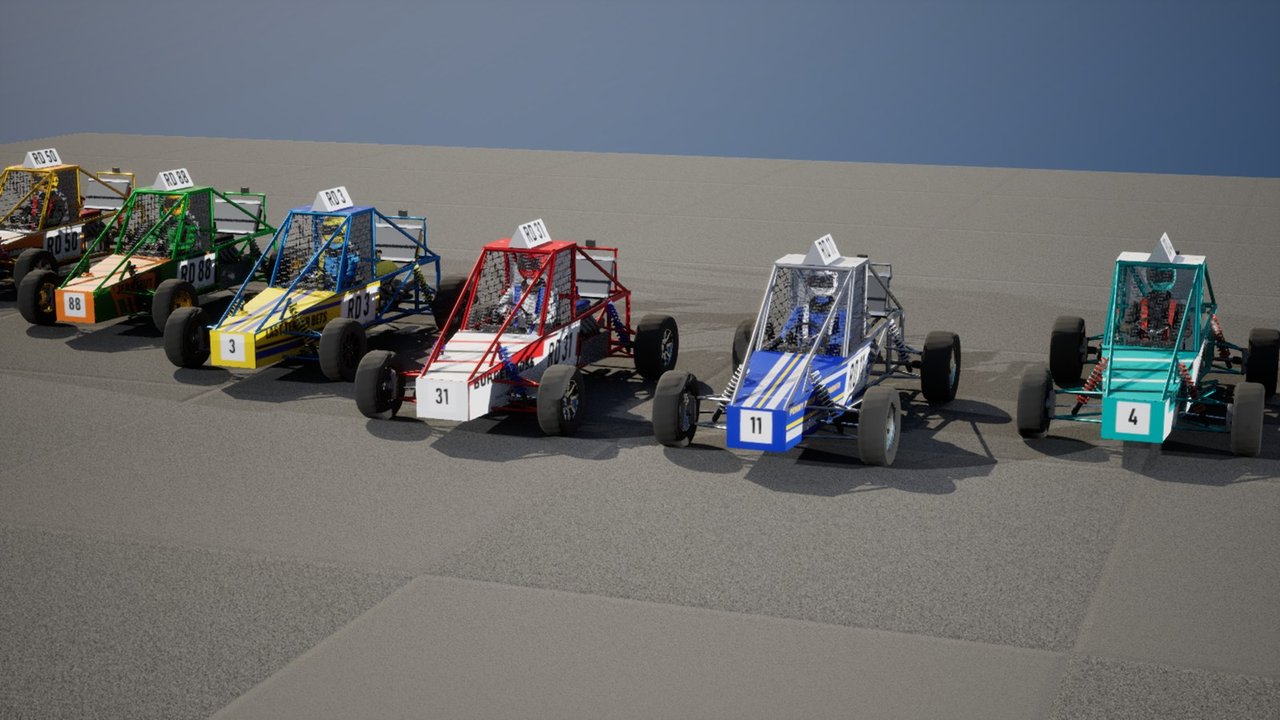
The cars are Class 10 specials: purpose-built buggies, a roll cage and a seat with a big engine behind it and very little else. There are eight of them, each in its own livery and carrying the name of a local business. A meeting is three heats, then a cool-down lap, and then they queue on the apron and drive one at a time into their bays in the garage, a long green shed with eight roller doors facing the track.
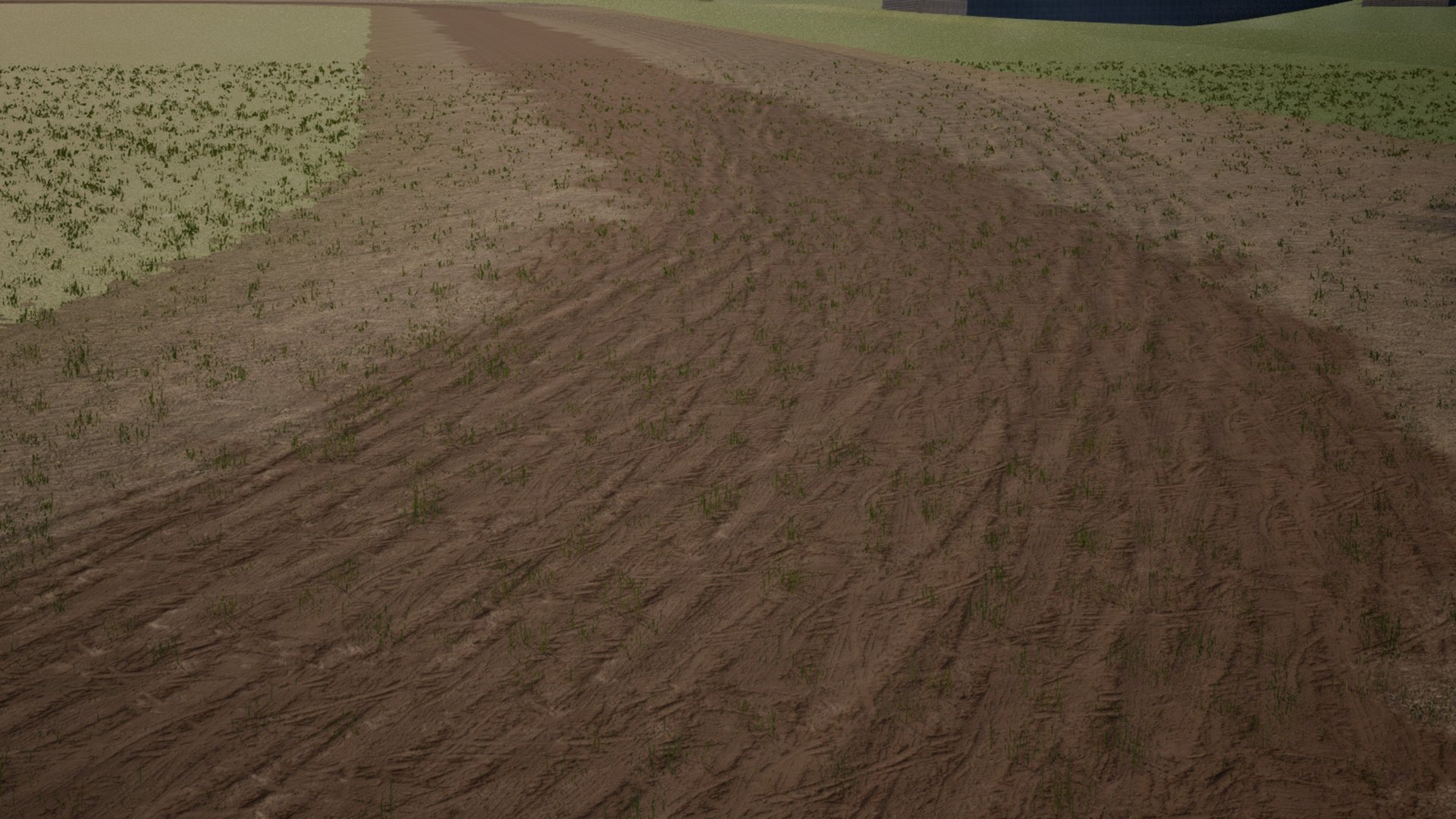
The track wears like a real one. It had been raced on thirty times before you ever saw it, so the racing line is a dished band of ruts and grooves, and the start line is chewed up where eight cars launch at once. The cars wear it too: dust in the dry and mud in the wet, heaviest low down at the back, building up heat by heat. The weather decides which.
You watch from the east bank, behind the crowd rope, where the ground rises enough to see the whole oval. There is a big screen on the infield, marshals’ posts with their flags out on the bends, a starter’s rostrum, a race-control cabin, an ambulance standing by, gazebos in the paddock, three portaloos, and signs reminding everybody that MOTOR SPORT IS DANGEROUS.
Between meetings there is work going. When the garage doors roll up after the third heat, you can take the jet-wash lance and get the cars clean for the next one: six pounds a car, paid once it is properly clean. A really muddy one takes about forty-five seconds.
There is a hire buggy on the south straight too, with a lap timer, so you can find out for yourself how hard it is to get round a muddy field quickly. The view from the seat is roll cage, steering wheel and a great deal of mud. Racing the club’s drivers for prizes is the next step up.
If you came looking for an autograss racing game, this one started from a brief to make it as realistic as possible: watch it first, then race for prizes. The ruts in the track came from simulating thirty race meetings and letting the wheels dig.
- 8 Class 10 specials
- 3 heats a meeting
- Jet wash £6 a car
- 241 × 106 m oval
Elsewhere in Oakhaven
- The Sweatbox
- Last Tenner Bets
- Chish & Fips
- Bossman’s Corner Shop
- Bagshaws Butchers
- St Cuthbert’s
- Radworth Road Police Station
- The Slag & Slurry
- Bestholme Job Centre
- Radworth Golf Club
- Green Boss
- The Baulk Line
- Radworth Working Men’s Club
- The Council Depot
- The Oakhaven
- Below Radworth
- The Incinerator Plant
- The Temple of the Unsleeping Eye
- Cutshaw & Shutt
- Burger Boss
- Jerk Hut
- The Bumoral Hotel
- Radworth Leisure Centre
- Blow Off Autoworks
- Kelsthorpe