Lift call buttons buried inside the wall and NPCs that never take the stairs in Unreal Engine 5.8
Friday, with the lights on in the wrong building
Friday was a work day, so the game got the hours either side of it. James came to the desk with the usual sum already done: the agent had stopped at about half past two in the morning, and the double-token window he had been trying to use all week had another night gone through it. He had read on X that Claude and Microsoft Outlook were both down that day. That was his reading of a feed, not something anybody checked, and it explains nothing about 2:30am. The jobs that had been queued overnight were sitting where the last one had left them.
The agent was Claude Code Opus 5.5. What it had to work with was a long list of things that were staged and waiting for the editor, and almost none of them could be built until a slot came round. So Friday split in two. The afternoon was a performance pass. The evening was a hotel.
Five thousandths of a second per bird
The afternoon's job was the one the project keeps coming back to: the town's tick. A profile of the strip club on a low setting had put the game thread at 82 to 96 milliseconds a frame, which is ten to twelve frames a second, and the GPU was nowhere near it. The cost was code running every frame on things that nobody could see.
The agent started with the taxis, because the profile said they were expensive. It read the scan that decides whether a cab needs to look ahead, found it already runs only when due and only when seen, and left it alone. Twenty scans a pass across five cabs is the price of a cab that stops for people, and the one knob left, the obstacle-check period, is the thing that stops it driving through them. That is a James decision, so the cab code was not touched. A short note went into the handover saying why.
The birds were a different answer. Far-away, unseen birds and cats were still ticking their movement components, every frame, in a town where nobody was looking at them. The agent extended the existing far-body throttle to cover the movement component of both families. Measured in a standalone run on High before and after, the birds dropped from about 4.8 milliseconds of tick to about 1.3. The total time in tick tasks went from 44.2 to 33.4 milliseconds. One cvar turns the whole thing back off.
The frame time after warm-up moved from 65 to 96 milliseconds down to 64 to 74. That is one run each side and the numbers are noisy, and 64 to 74 milliseconds is still nowhere near the 33 that a game needs to hold thirty frames a second. GTA VI will have a performance team for this. Here it was a Friday afternoon and a ranking script.
The script was the other thing that came out of it. tickrank.py takes the output of the engine's averaging dump and ranks the tick by class, and it only works if the dump threshold is set to 0.01 milliseconds, not 0.2. At 0.2 the small things that add up simply do not appear. The after-run ranking said what is next: taxis at 3.1 milliseconds, citizen movement at 2.9, the oak trees' skeletal meshes at 3.2, which is on screen and needs a far-LOD answer, not a throttle.
What else got staged, and not built
Four other threads ended the day staged, each waiting for a slot. None of them is built.
- The nightclub. The hours gate that hides the haze, dry ice and wash lights outside opening time moved from a Blueprint to C++. The Blueprint toggle is dropped, and the slot to tag the eight actors is about 55 minutes.
- The boy racers. James asked in the evening for the radio, some excitement and glances in the cabin. The C++ is written, with a runbook for the stills from the passenger seat.
- The bus radio. Also in the evening: the Oakhaven FM in the bus was too quiet. It inherited a volume of 0.25 from the shared vehicle radio, and the staged change takes the bus alone to 0.50, which is six decibels, with the taxis and lorry untouched.
- Bus routes 5 and 6. James answered all seven open questions on the plan with its defaults. Two routes and five more buses become about 350 minutes of editor time over seven slots.
The hotel, at ten to midnight
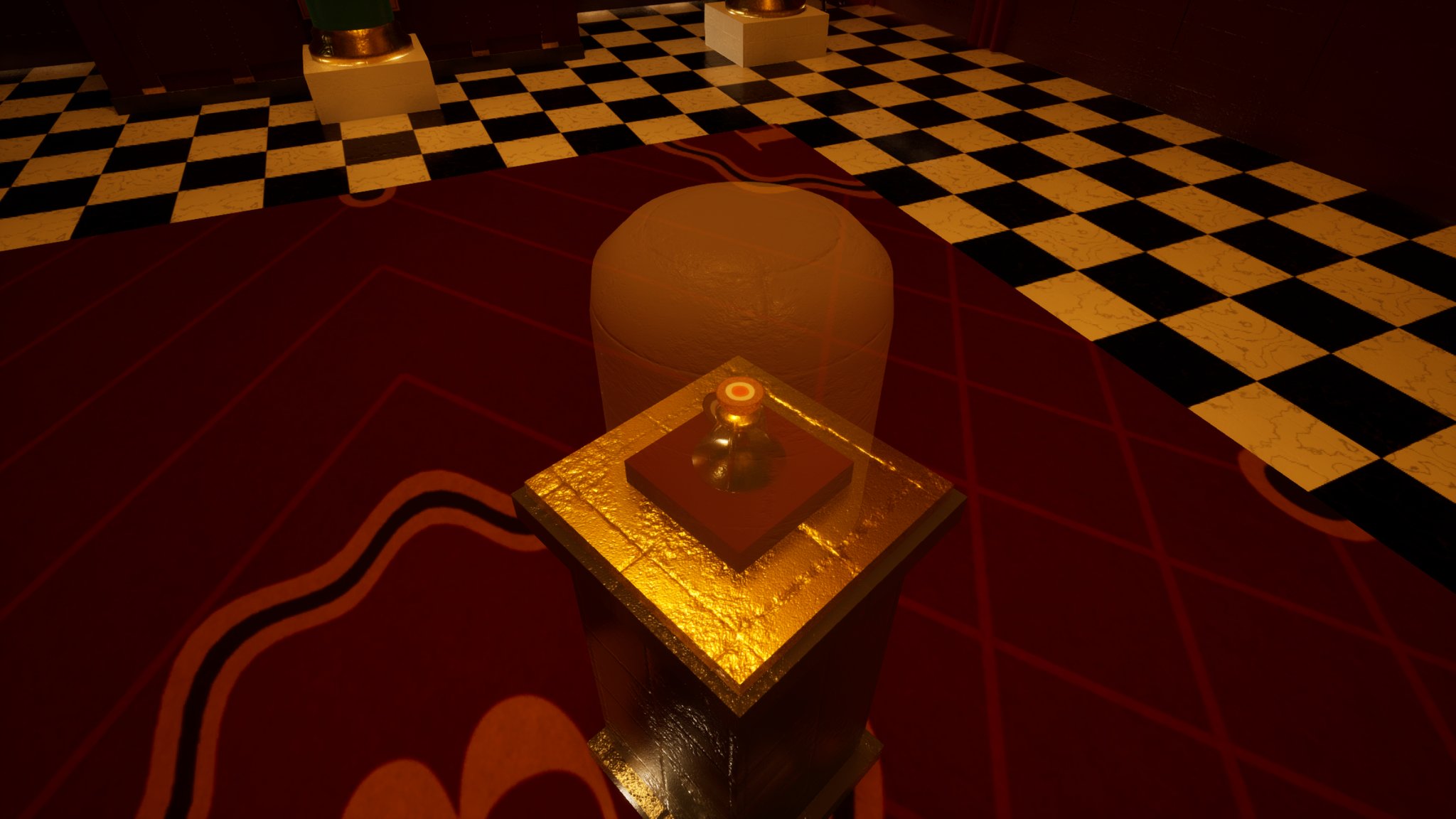
From about a quarter past eleven James walked the Bumoral, the hotel on the hill, with the editor. It is the biggest interior in the game and it had been placed for two weeks, so it was time somebody played it. By twenty past he had seven reports. By twenty to one the agent had turned each into a fault with a cause.
The call buttons were the first. James stood at the lift and pressed U, and the game refused. The plates had been placed at hotel y 3.71. The rear wall's face is at 3.40. They were 31 centimetres inside the wall, so they were invisible, and the use key finds nothing behind a surface. The staged fix is C++ in a new gap: the UP and DOWN buttons go on the brass pad in the lift bay and the floor label goes on its gilt plate.
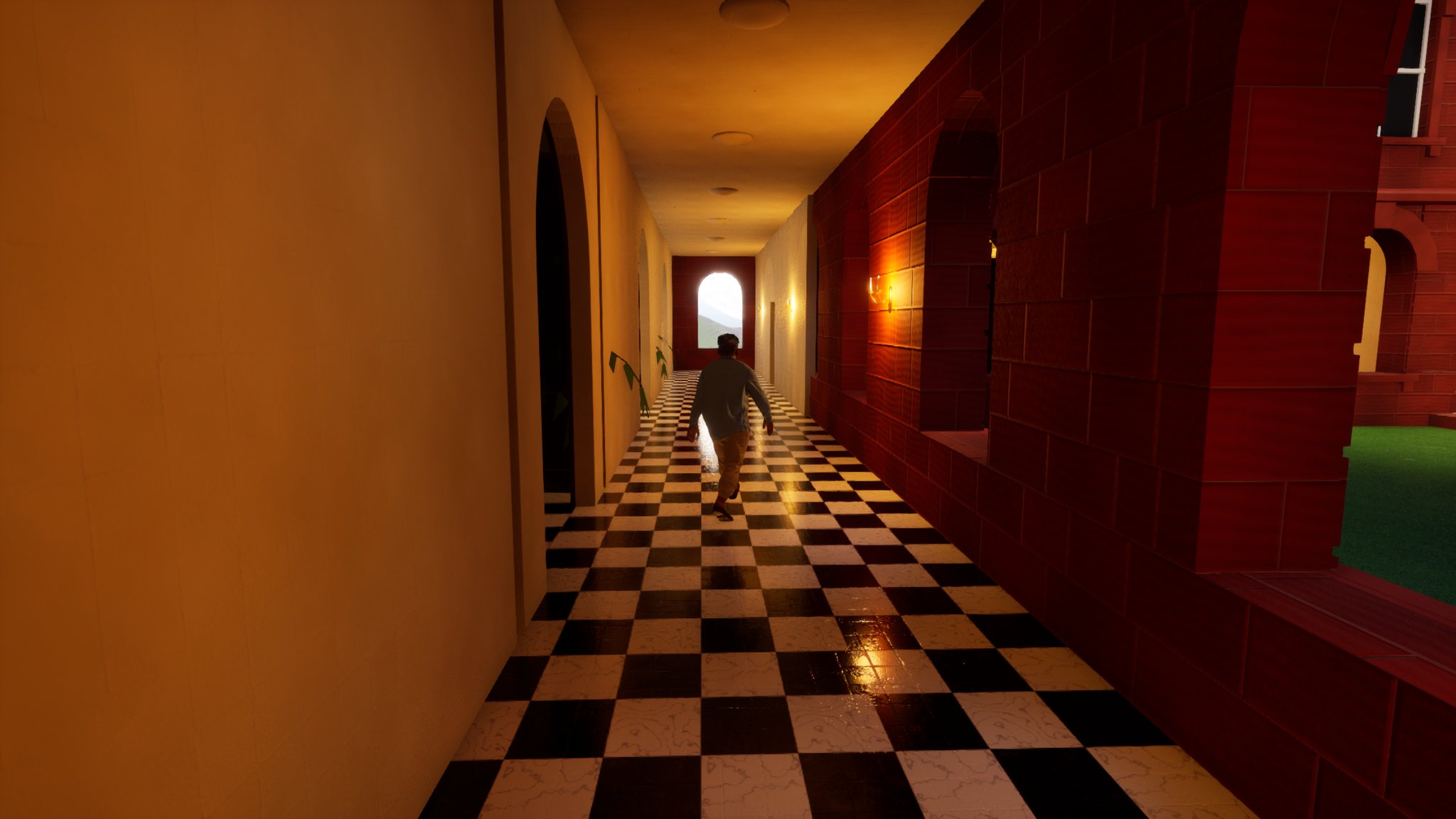
The second was the stairs. The residents never take them. The agent read how a vertical move is routed and found it is not a bug in the stairs. The lift's navigation links cost about 4.4 metres each and the grand stair is about 15, so the path finder always takes the lift, and the stairs only get used when the lift is switched off or stuck. It also found that nobody had probed the grand stair's own links since the lift links went in on 8 November. A rule that sends some people up the stairs is a proposal, not a patch, and it was written up as one: lift links in their own area with a per-move filter, age and trolley rules, a chance of a hop up one floor, a kill switch at zero until it is proved.
There is also no stair to the fourth floor at all. That led to the correction of the day. The first note said there is no shell above the ground floor, so the east turret could not carry a stair. The agent went back and measured. The turret shell is hollow from the second basement to the crown, so the original note was wrong. At five to midnight James said yes to extending the turret's spiral stair from the ground floor to the fourth, and the work was staged, with the fourth floor getting a public passage along one wall of the penthouse.
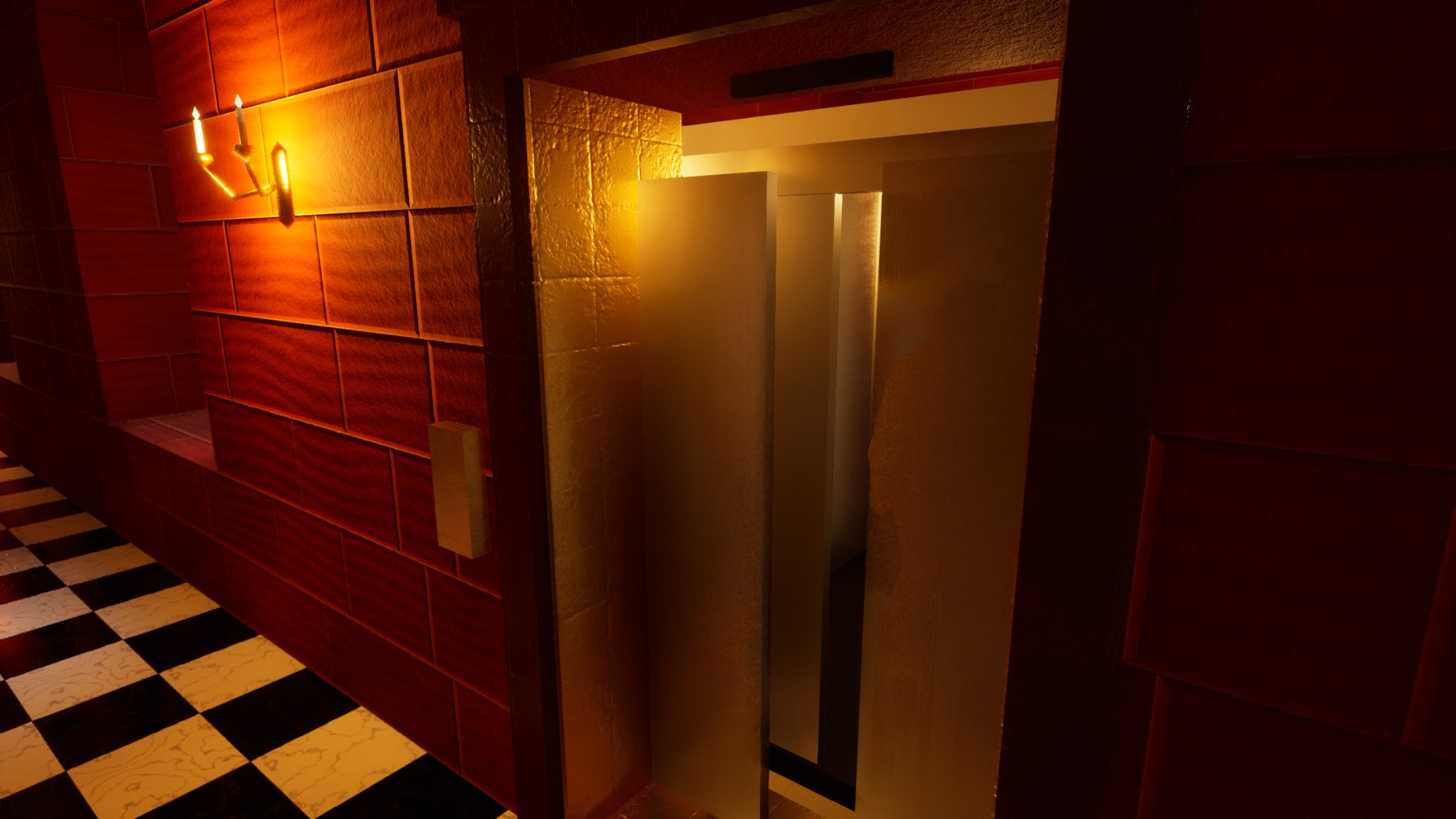
The rest of the list was smaller and plainer. The servery behind reception had no floor, a kit omission behind an open doorway. The lift needed a sign. The boards needed to creak, and eighty-nine spots were chosen for it. The restaurant windows paper across their openings, because the live window mesh is the 31 October build. And the edge-of-map sounds were playing in the hotel, because the interior's sound mix has no row to mute them.
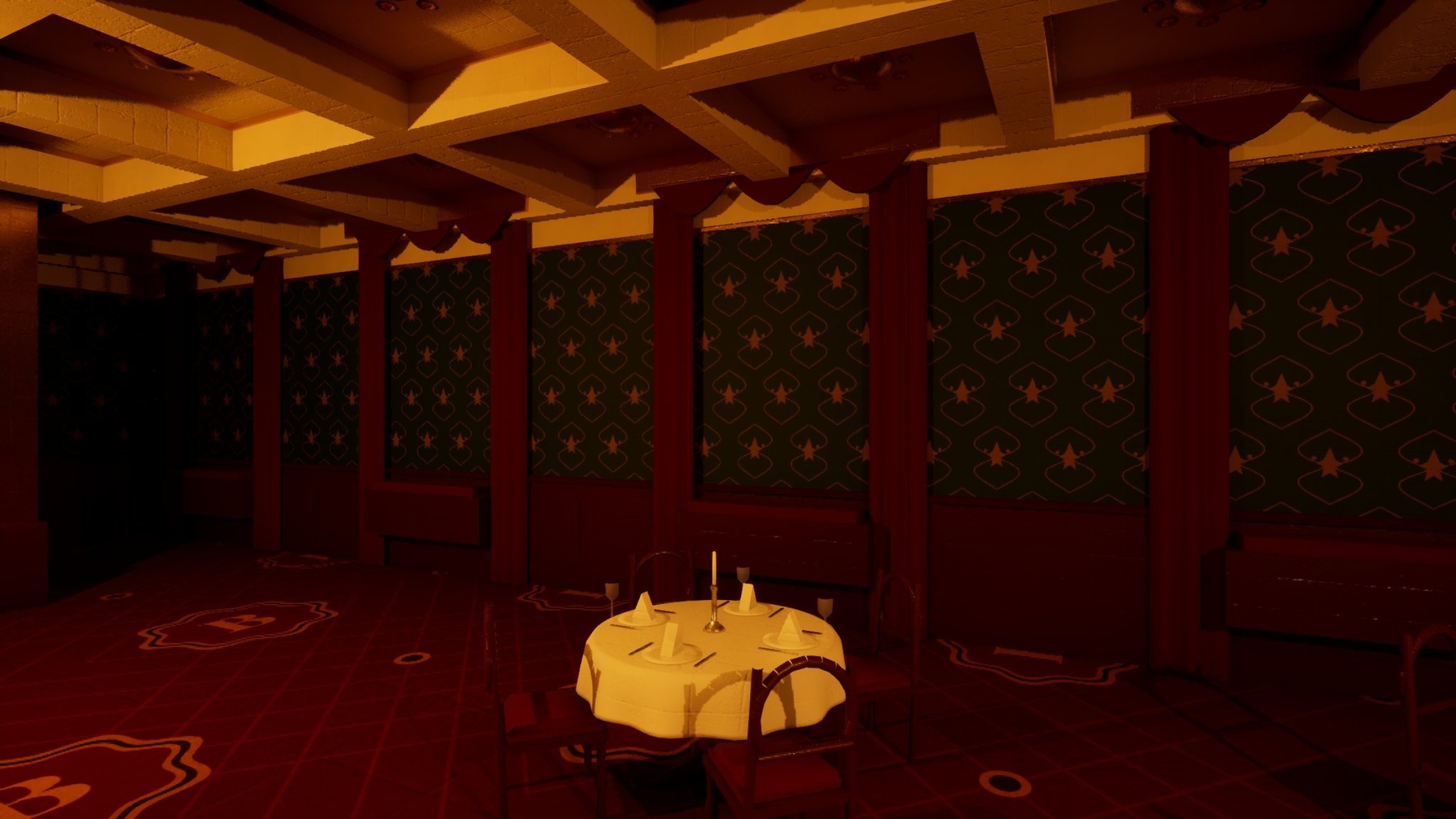
By one in the morning the overnight queue had run Q1 to Q9 and stopped at a red build. The credits regeneration was blocked, because the script reads a key from a config file that is not on this machine. Nothing was in the editor, and none of the seven reports had been fixed. All of them had a cause.
The fault
Lift call buttons placed inside the wall, a room with no floor, and NPCs that never use the stairs: Unreal Engine 5.8
- Lift call plates were placed 31 cm behind the face of the rear wall (plate at y 3.71, wall face at 3.40). They were invisible and the use key was refused with nothing to hit.
- NPCs in a multi-floor building always took the lift. The lift's smart links cost about 4.4 m each against about 15 m of grand stair, so the path finder never chose the stairs. Stairs were used only when the links were off.
- A servery behind reception had no floor and a doorway open to it.
- A note said "there is no shell above the ground floor". The turret shell was hollow all the way up. Measure before writing a negative into a handover.
- A tick throttle that left far-away birds and cats with a ticking movement component: 4.8 ms of tick for the birds, 1.3 ms after.
The fix
What was staged, and what is still open
- Put the call plates on the lift bay's brass pad, in C++, with a cvar to switch the fix off. Staged, not built.
- Give the lift's nav links their own area and filter them per move, so the stairs can be chosen for some bodies. Probe the grand stair's own links first.
- Extend the turret's spiral stair to the fourth floor, with a public passage on that floor only.
- Throttle the movement component of far, unseen birds and cats. Built and measured on one run each side.
- Rank the tick with the dump threshold at 0.01 ms, not 0.2.
- Still open: all seven hotel reports are unbuilt, and the taxis, citizen movement and oak skeletal meshes are the next three on the tick ranking.
The kit
What was used
Claude Code with the Unreal MCP and Monolith servers, a read-only gate script per staged change, wrapper scripts for builds and backups, and a standalone High run for every performance number. The hotel report came from James playing it, not from a checklist.
Plain English
| Term | What it means |
|---|---|
| tick | Code that runs every single frame. Cheap once, ruinous sixty times a second across a thousand actors. |
| navmesh | An invisible map of walkable ground that characters use to work out routes. No navmesh, no walking. |
| game thread | The part of the engine that runs the game's own logic - every Blueprint, every tick - one thing after another. If it takes 90 milliseconds, nothing else matters: the frame cannot finish sooner. |
| tick interval | How often an object's every-frame code is allowed to run; setting it to half a second makes a far-away object check in twice a second instead of sixty times. |
Things we still need to fix tomorrow:
- Run the hotel slots: Blender, then Blank, then 2ndChance with the stair probe first.
- Build the lift call plates and prove U works on a fresh load.
- Decide the stairs rule for residents after the grand stair's links are probed.
- Fix the red build the overnight queue stopped at.
- Find where the credits script should read its key from.
- Throttle the next three on the tick ranking.