Wildlife
Birds of Oakhaven
16 species, all of them British, all of them where you would actually find them. Pigeons on the roofs of Radworth, rooks on the golf course, a wren in the hedge and swans on the river. No seagull-shaped stand-ins and nothing that belongs on a different continent.
A pigeon that flies like the photographs
Most games flap a bird's wings up and down like a toy: the same speed both ways, the wing held flat. A real pigeon does not, and we can say exactly how, because Eadweard Muybridge photographed one in 1887. His plates 755, 756 and 757 in Animal Locomotion, "Pigeon flying", catch a single bird frame by frame from the side and from the front. They are in the public domain. Here is plate 756.
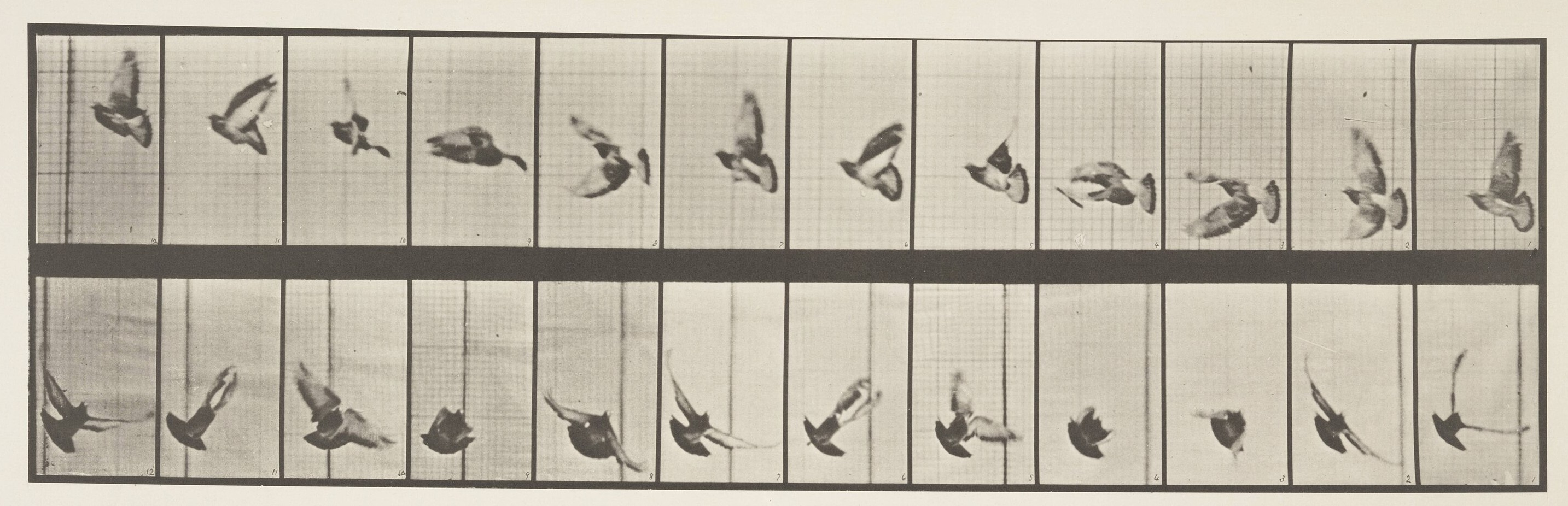
What the photographs show is not what you would guess. At the bottom of every downstroke the wingtips finish below the bird and ahead of its head: the wing sweeps forward all the way down. At the top the wings are up and behind the shoulders, and on the way back up the wing folds in tight before it opens again.
We also read the Harvard study of pigeon takeoff and landing by Berg and Biewener, which measured how the angle of the beat changes from a takeoff to a landing. Our first reading of it was wrong. Its angles are measured against the ground, not against the bird, so we had the takeoff sweeping the wings backwards. Laid against Muybridge's photographs, the answer was simpler. Relative to its own body, a pigeon beats down and forward when it takes off and when it lands. What changes is the angle of the body, nose up to climb and tilted back to brake.
So the town pigeons now have three animations of their own, built from those references:
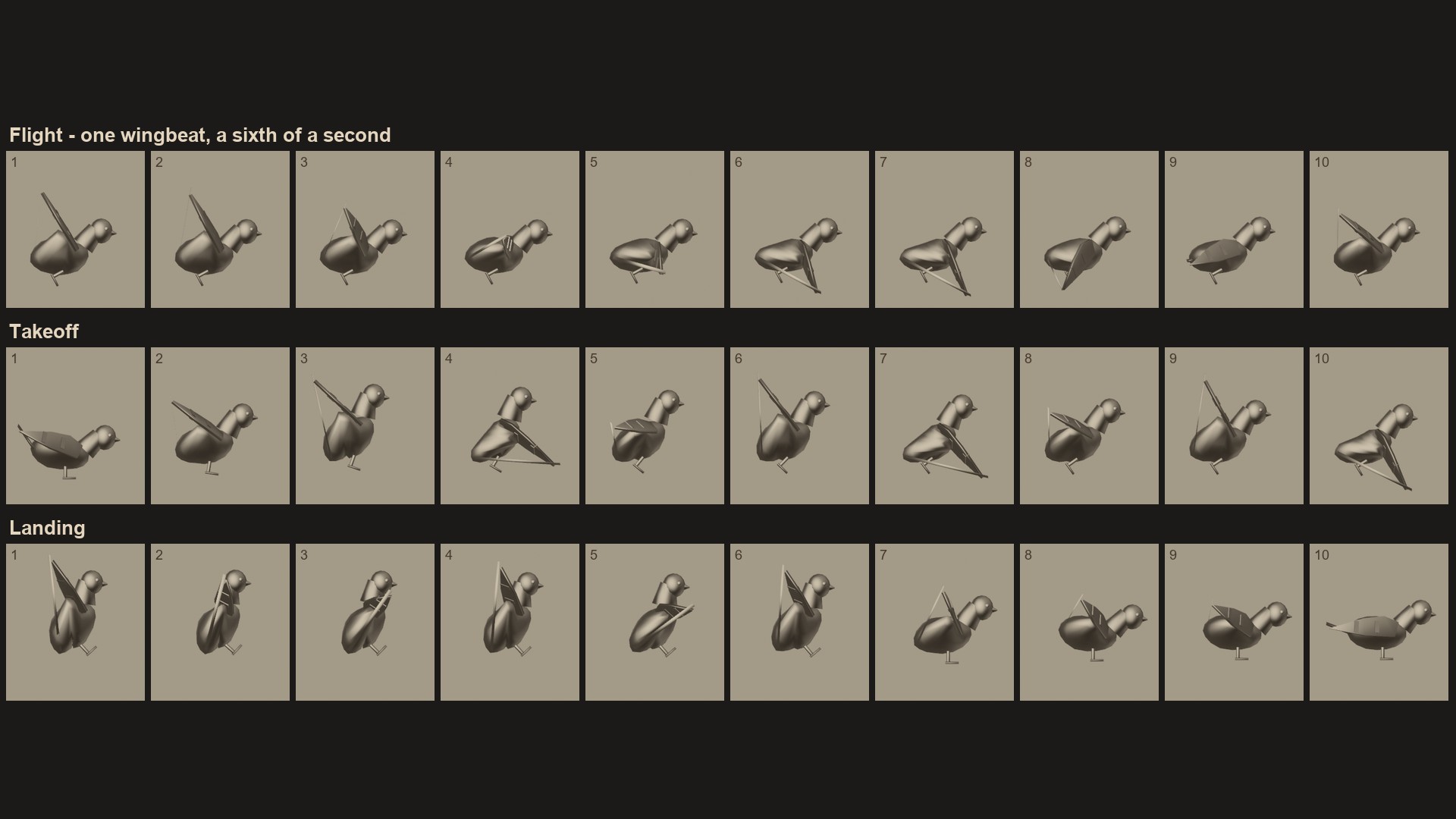
- Flight: six wingbeats a second, a long downstroke sweeping forward and a quick folded upstroke, with the body bobbing slightly on each beat.
- Takeoff: a crouch and a jump, nose up, then three hard beats at about ten a second, the wings clapping together over the back on each upstroke.
- Landing: the flare, wings forward and legs reaching out in front, two braking flutters, touchdown, a flick of the tail, and the wings folding away.
Walk at a pigeon in the game now and that is the order you see them in: takeoff, flight, landing, then settling down to rest.
What we have not solved yet
- The pigeon's wing is one bone from shoulder to tip. A real wing bends at the wrist, so the tight fold on the upstroke is faked by sweeping the whole wing back. At the distance you usually see a pigeon it reads as a fold. Up close it is a straight wing.
- The landing animation starts when the bird arrives, so the flare happens at touchdown. A real pigeon flares a moment before. Starting it early means changing how every flight ends, and we will only do that if it looks wrong in play.
- The game's logs confirm the three animations play in the right order on real pigeons. A long look at a flock at street distance is the next check.
- The magpie and rook still fly with the older, simpler wingbeat. They are next in line for the same treatment.
Every bird in the game
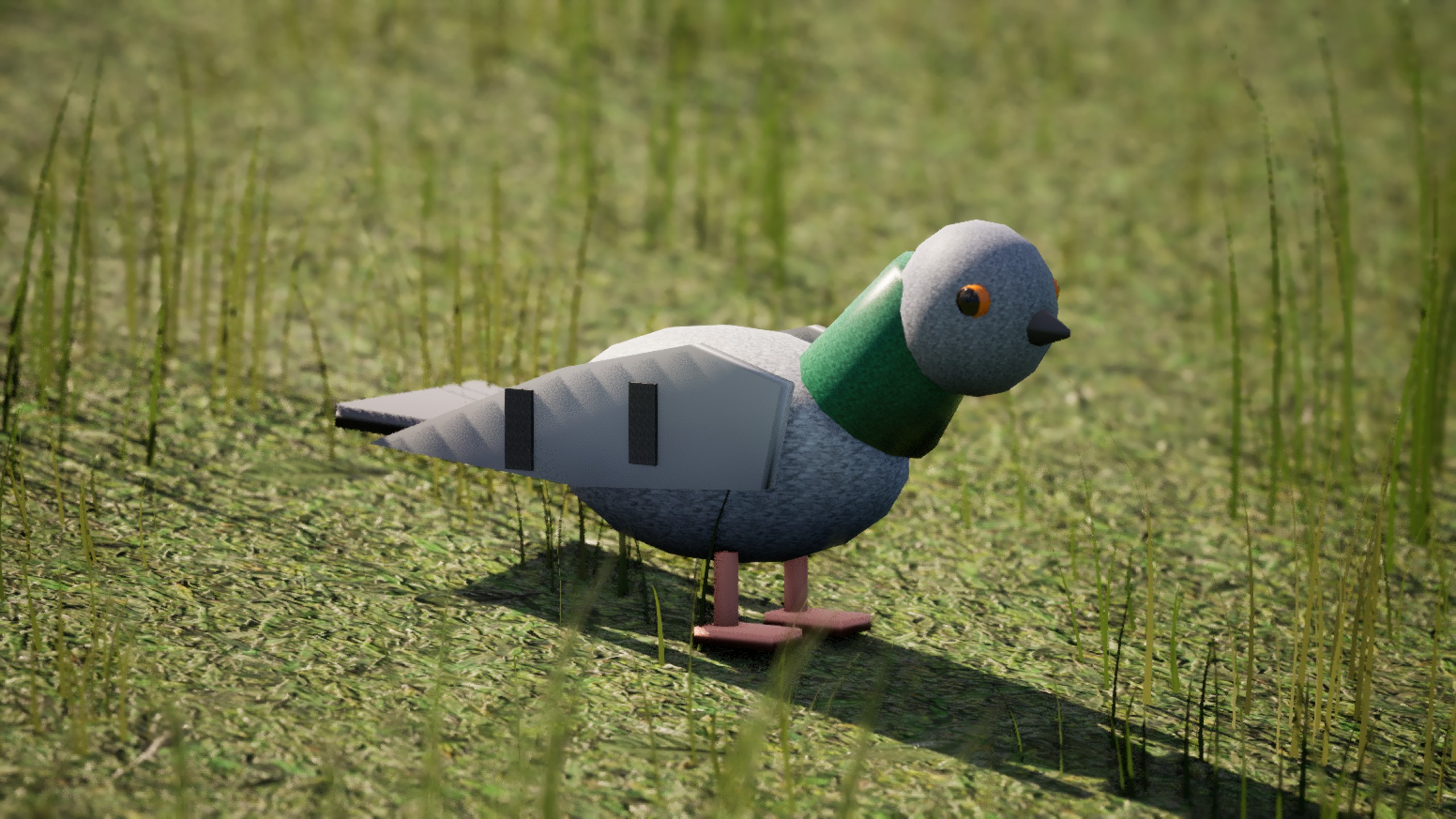
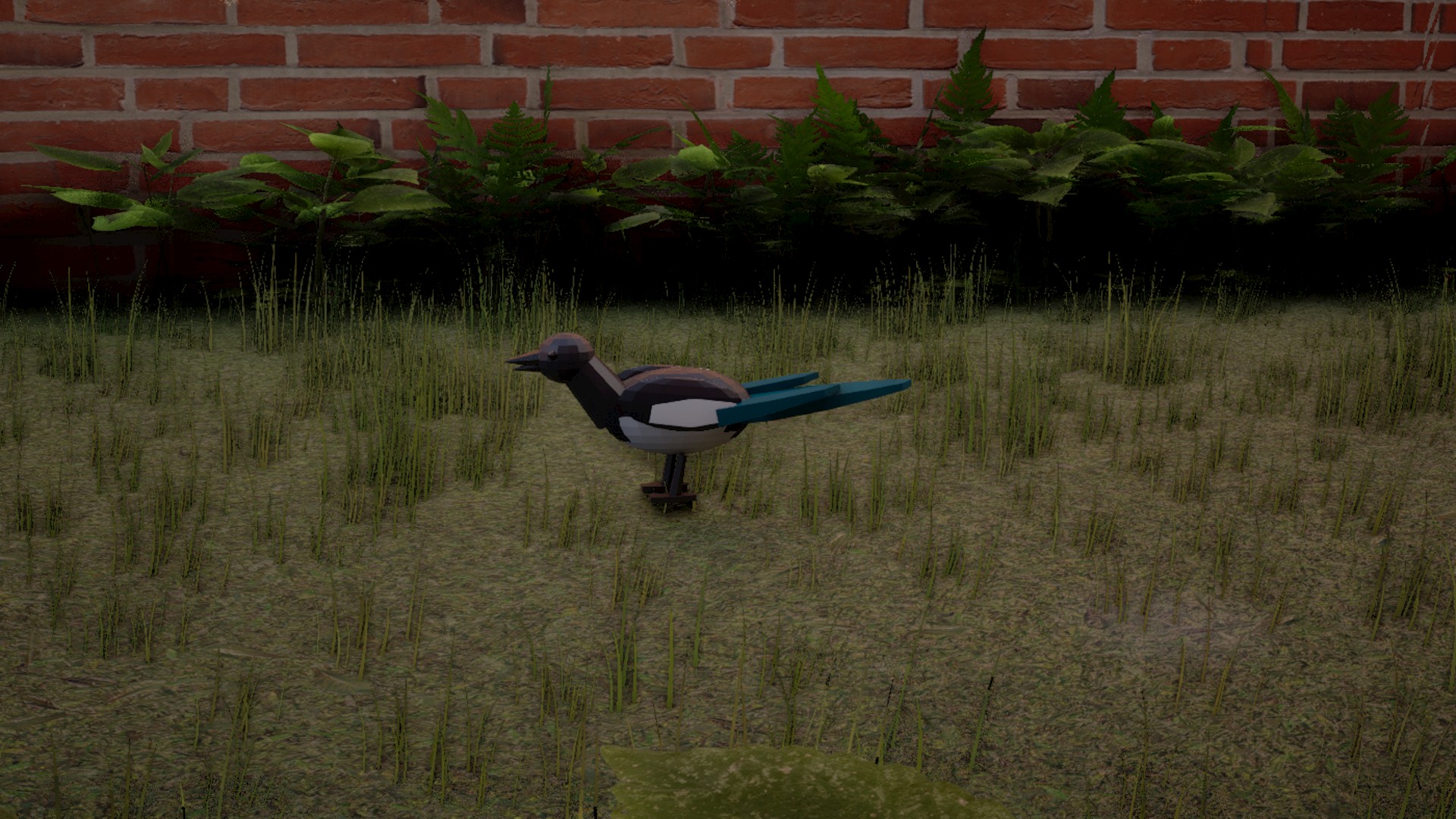
Pictures marked "In the game" are frames from Second Chance. Those marked "The game model" are the same models lit in a plain studio so you can see them properly. Hedgerow portraits are still to come.
Town
Fields and the golf course
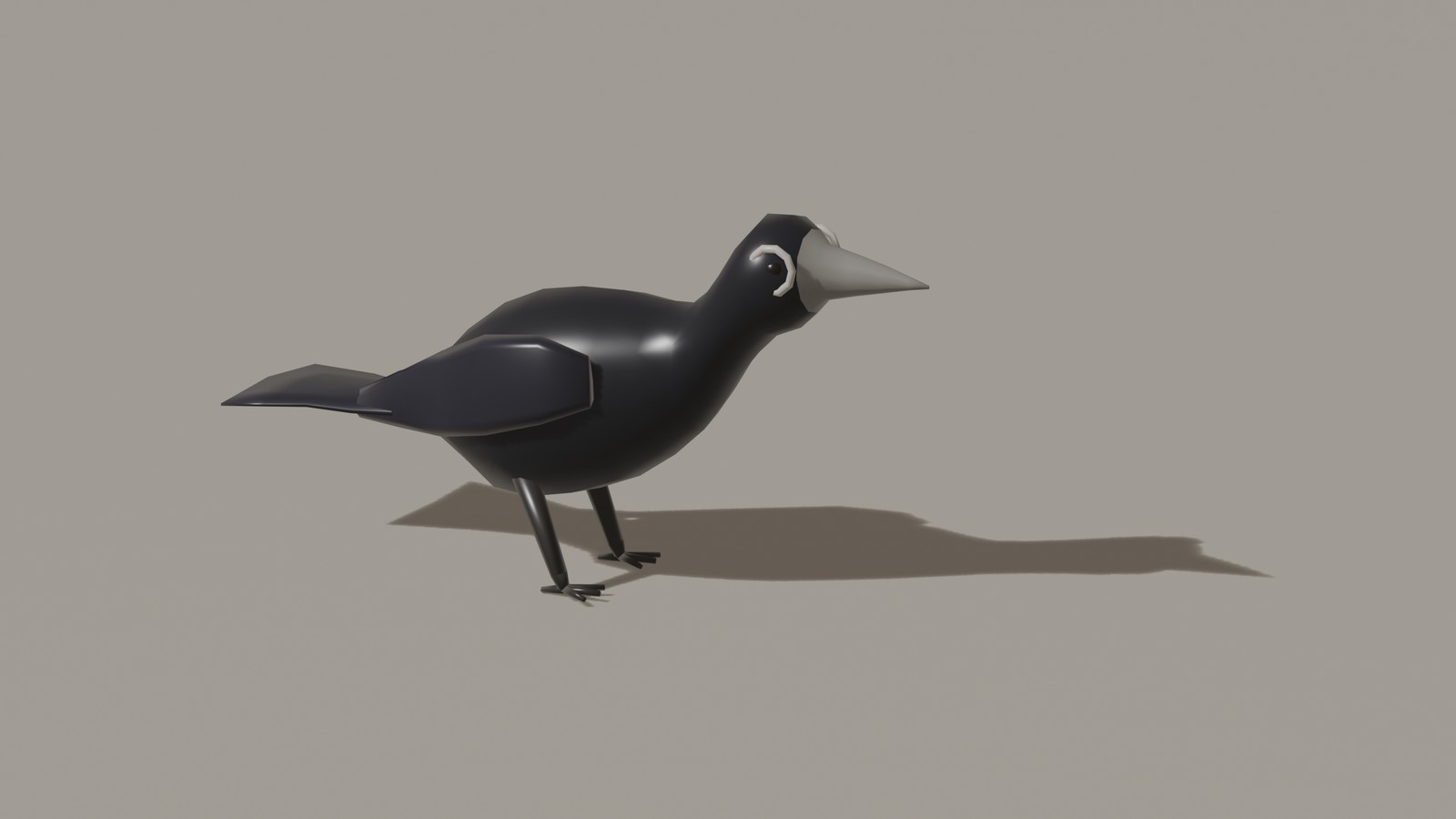
Hedgerows
The river
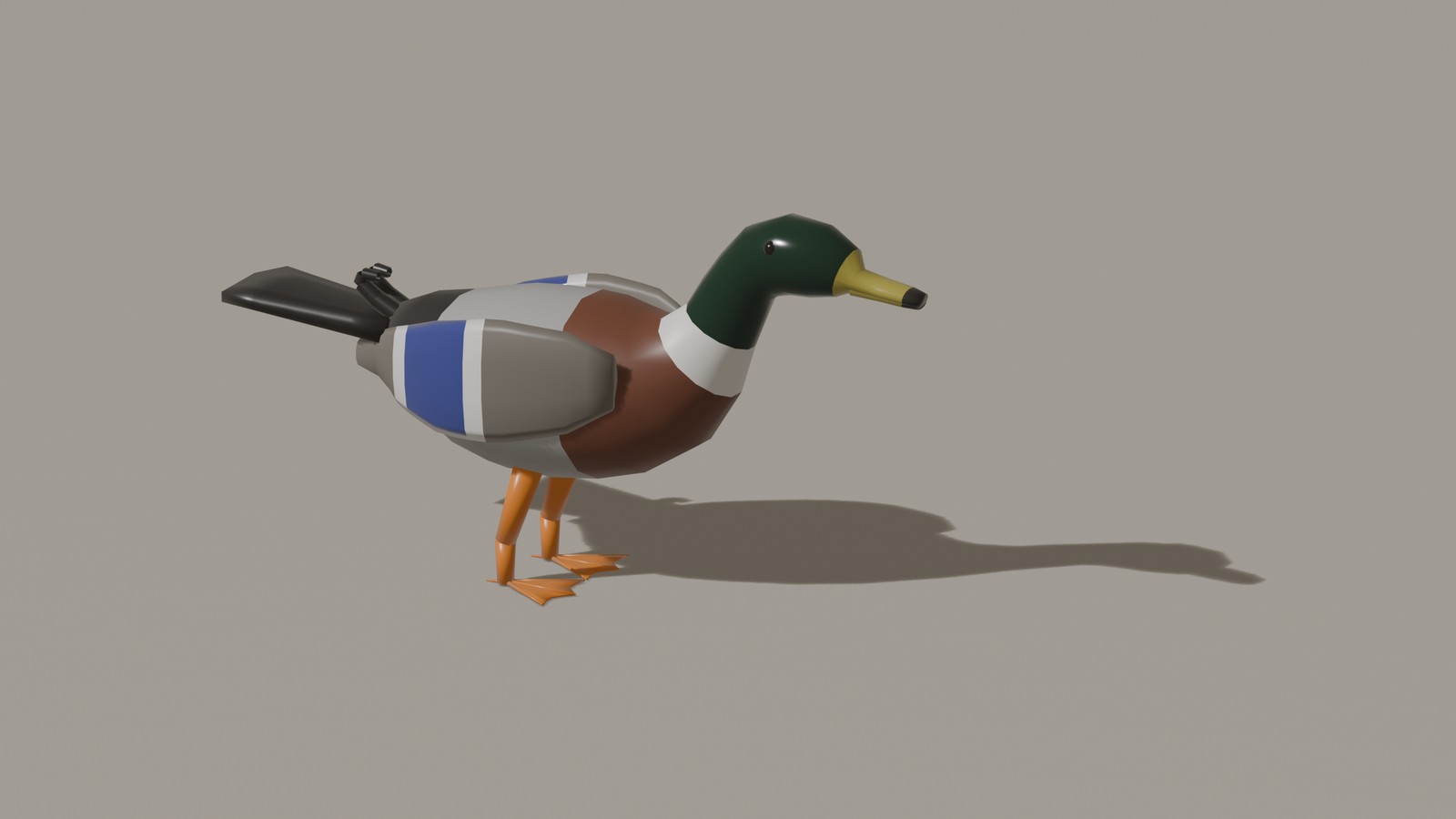
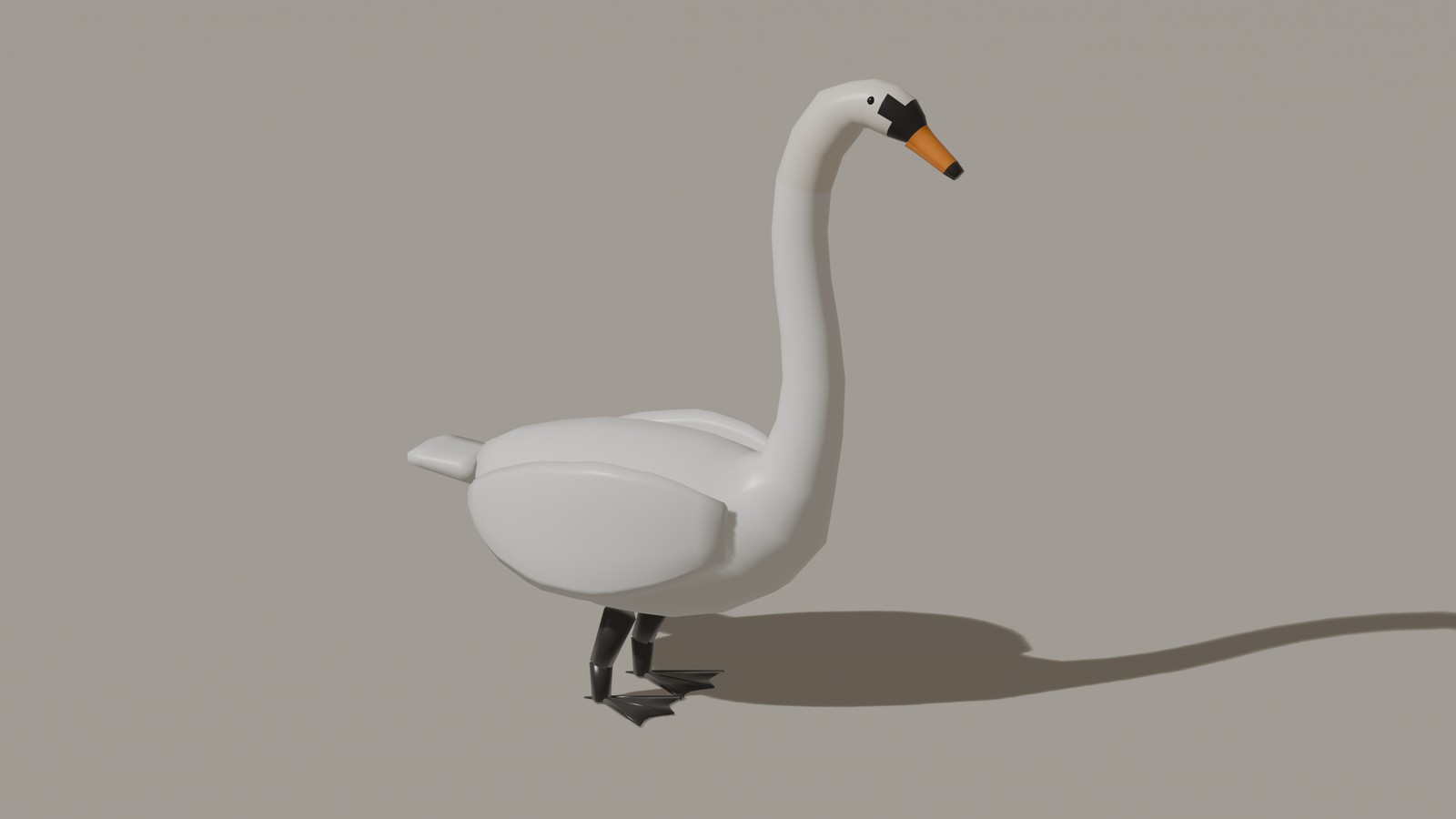
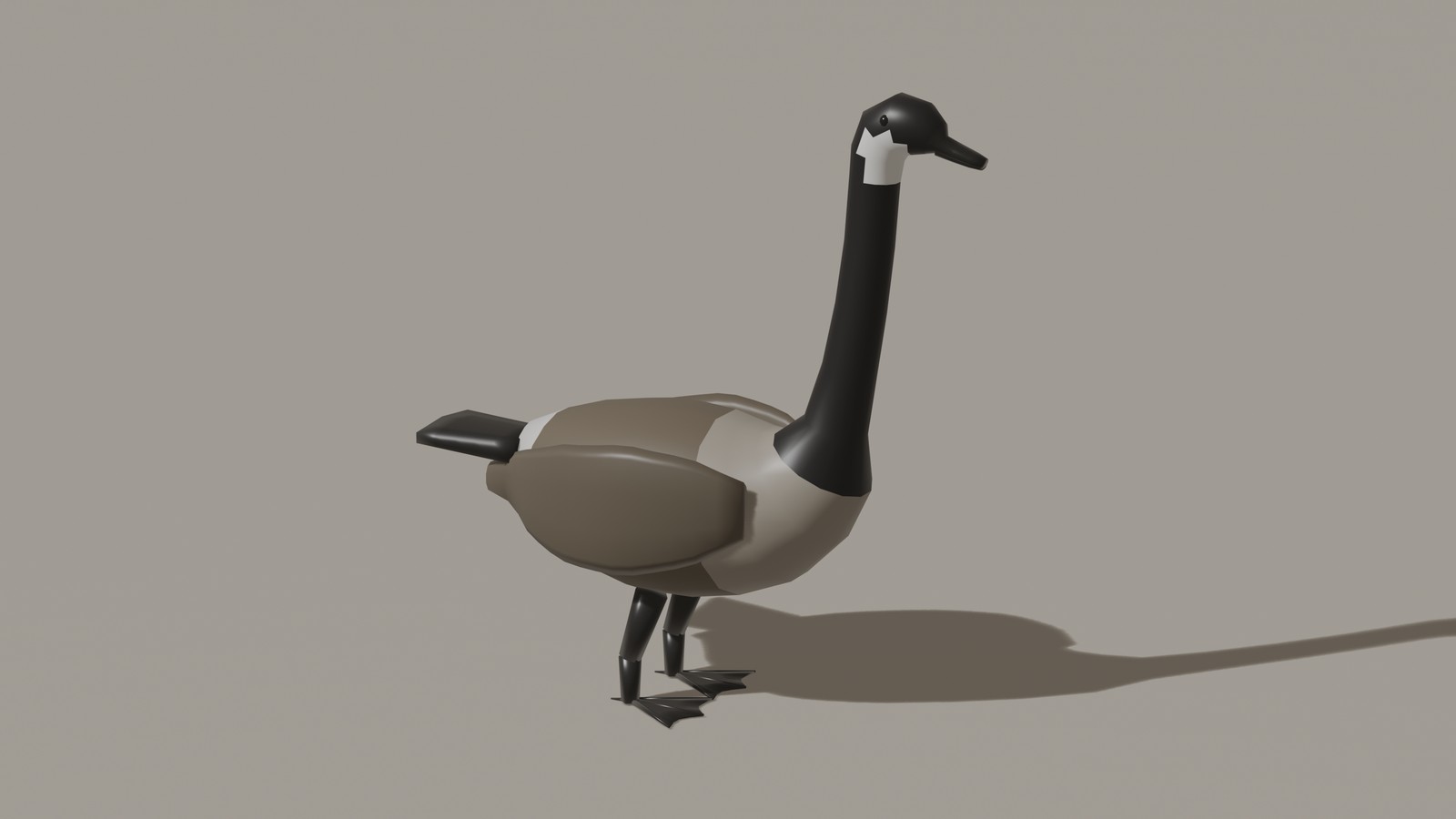
Elsewhere
- Research - the other pages that show the working behind the game.
- Advanced Weather System - the rain and wind the birds take cover from.
- The devlog - the day-to-day version, faults and fixes included.